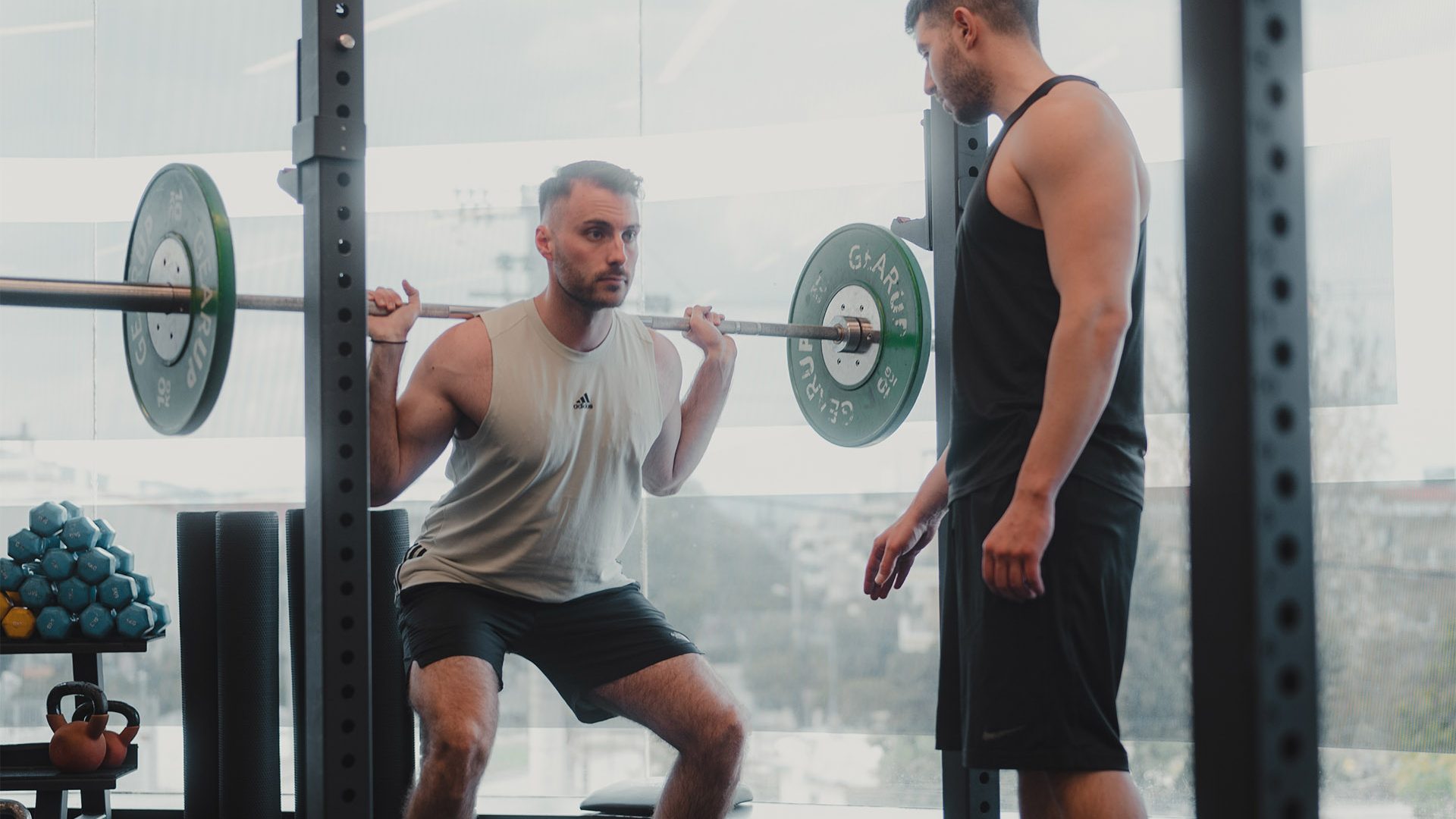
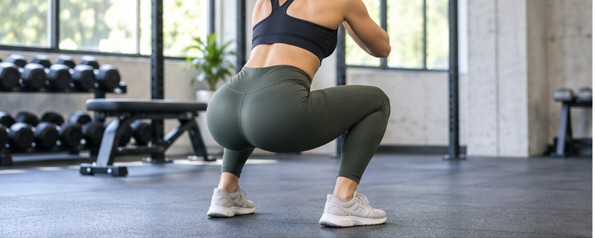
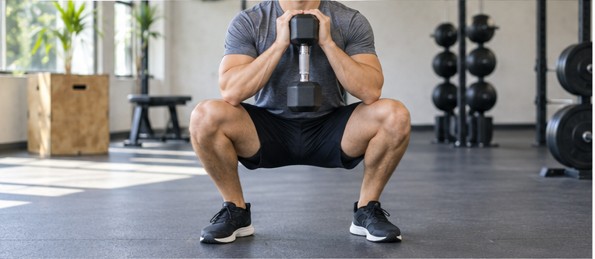
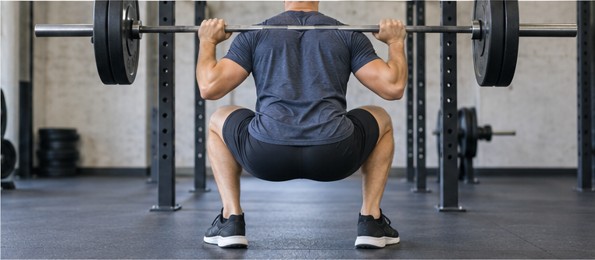
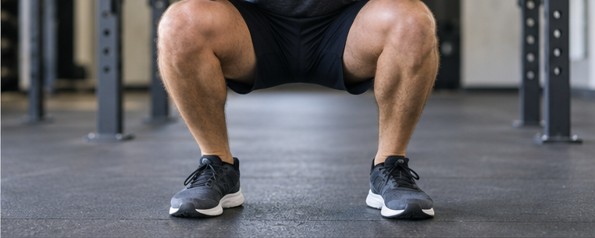
Squats are one of the most effective exercises for the lower body, activating your quads, glutes, hamstrings, and core. But if you’ve already added them to your workout, you probably have one basic question: how long does it take to see results from squats?
The answer depends on your goal. Feeling stronger is one thing, while expecting a visible change in your body is another.
How long does it take to see results from squats?
The first changes can appear relatively quickly, but not all of them will be visible in the mirror.
- 2–4 weeks: you may find that squats feel easier, your balance improves, and you can perform more reps or use more weight. Early increases in strength are largely related to neuromuscular adaptations.
- 6–8 weeks: with consistent resistance training, changes in muscle size may begin to be measurable. An eight-week squat training study recorded increases in muscle thickness and squat strength.
- 8–12+ weeks: this is a more realistic timeframe for expecting more noticeable changes, provided you train consistently and your nutrition and recovery support your goal.
So, there is no magic number. Your body adapts gradually, and the timeline varies from person to person.
What Results Can You Expect from Squats?
Squats aren’t just a glute exercise. They work multiple muscle groups in the lower body at the same time and can improve your strength, stability, balance, and mobility.
With consistent training, you may see:
- stronger glutes and legs,
- better technique and greater squat depth,
- increased muscle mass,
- improved performance in movements such as running and jumping,
- greater lower-body stability.
If your goal is to change your body composition, don’t expect squats alone to do all the work. Your overall strength training program, nutrition, and daily activity also play a role. Resistance training can contribute to improvements in muscle mass and body composition.
How Many Squats Should You Do to See Results?
You don’t need to do 100 squats every day. More reps don’t automatically mean better results.
For muscle growth, what matters is gradually increasing the training stimulus. This can be done by adding more weight, reps, or sets, or by using more challenging squat variations. Recent research emphasizes consistency and total weekly training volume, with around 10 sets per muscle group per week serving as a useful reference point for muscle hypertrophy.
For a beginner, 2–3 strength workouts per week are a solid starting point, as long as you gradually increase the training load and allow enough time for recovery.
What Affects How Quickly You'll See Results?
Your progress depends on:
- your starting fitness level,
- training frequency and volume,
- the weight or resistance you use,
- proper technique,
- your protein intake and overall nutrition,
- sleep and recovery,
- consistency with your program.
The most important factor is progressive overload: as your body adapts, you need to gradually give it a new reason to become stronger.
Frequently Asked Questions
If I Do Squats Every Day, Will I See Results Faster?
Not necessarily. Your muscles also need recovery to adapt to training. More training without proper recovery does not automatically mean greater progress.
Do Squats Make Your Glutes Bigger?
They can contribute to glute growth, especially when you use sufficient resistance and progressive overload. For a more complete glute workout, however, it’s better to combine squats with other exercises.
Are Squats Better with or Without Weights?
If you’re a beginner, bodyweight squats are a great way to learn proper technique. Once they become easy, you can add resistance to continue challenging your muscles and supporting strength and muscle growth.
Sources
American College of Sports Medicine (2026) Resistance Training Prescription for Muscle Function, Hypertrophy, and Physical Performance in Healthy Adults
ACSM – Resistance Training Position Stand
Mayo Clinic (2026) Weight training: Do’s and don’ts of proper technique
Mayo Clinic – Weight Training
Cleveland Clinic (2026) Squats: How To Do Them and Why They Rock
Cleveland Clinic – Squats
Watanabe et al. (2015) Low-load Slow Movement Squat Training Increases Muscle Size and Strength but Not Power
PubMed – Squat Training Study
Griffin & Cafarelli (2005) Resistance training: cortical, spinal, and motor unit adaptations
PubMed – Resistance Training Adaptations