Why You Need Back Stretches
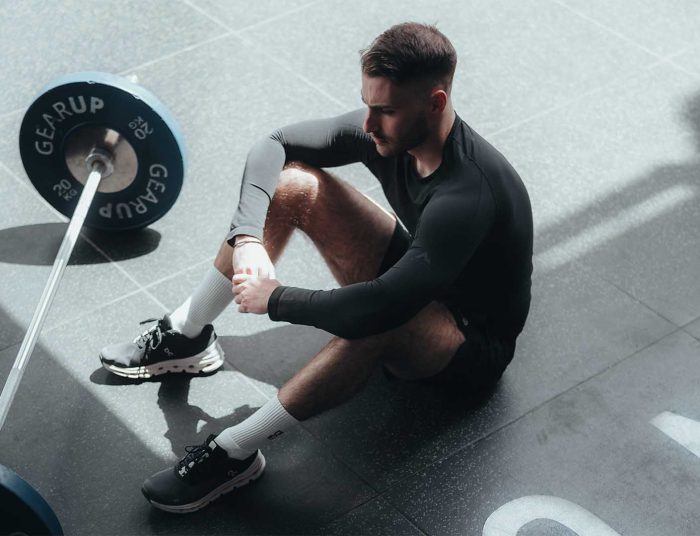
Whether you spend many hours sitting in front of a screen or follow an intense workout routine, your back is one of the first areas that can feel the effects. Tight muscles, reduced spinal mobility, and discomfort in your lower back or neck can easily become part of your everyday life.
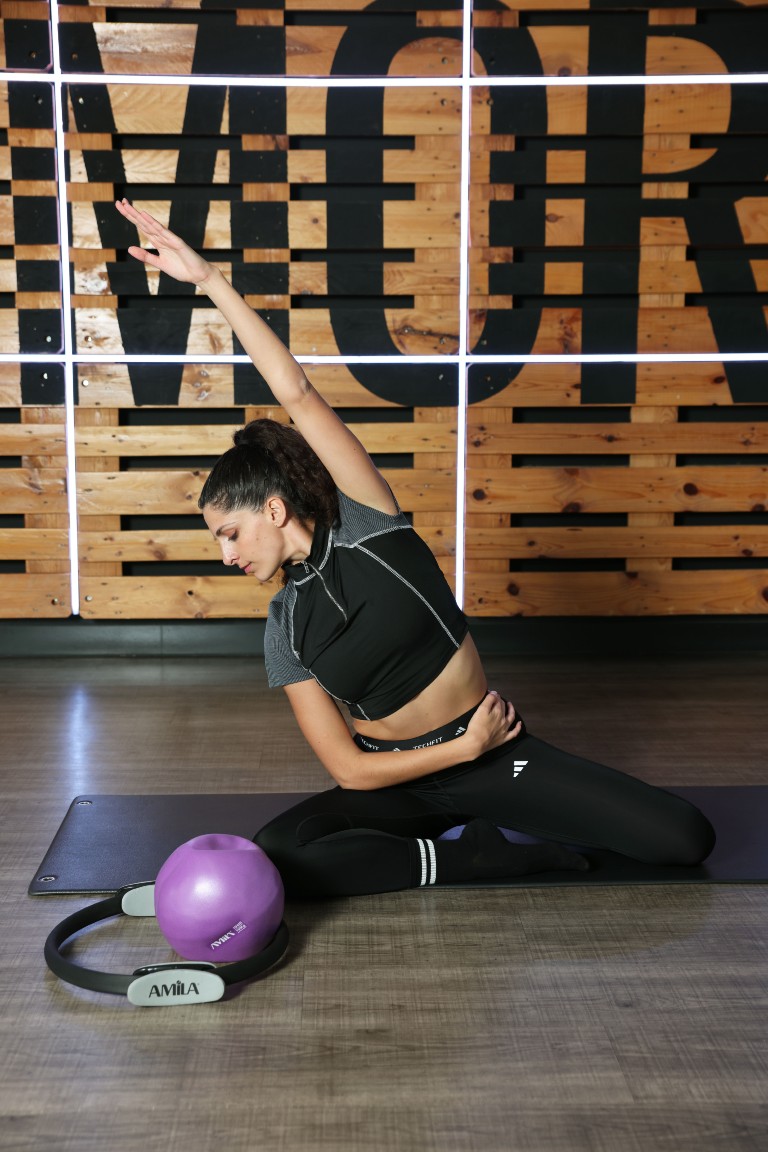
The right stretching routine helps restore muscle flexibility, improve blood circulation in the area, and provide immediate relief. The result? Better performance during workouts, improved posture, and less fatigue throughout the day.
2+1 Back Stretches Worth Trying
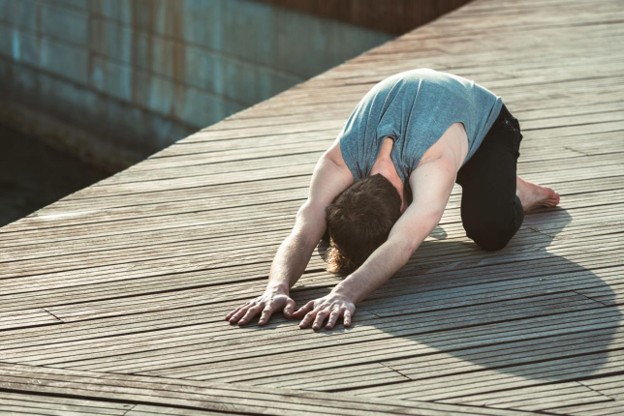
1. “Child‘s Pose” Stretch
How to do it:
Sit back on your heels, extend your arms forward, and slowly lower your torso towards the floor.
Benefits:
- Helps release tension in the lower back
- Gently decompresses the spine
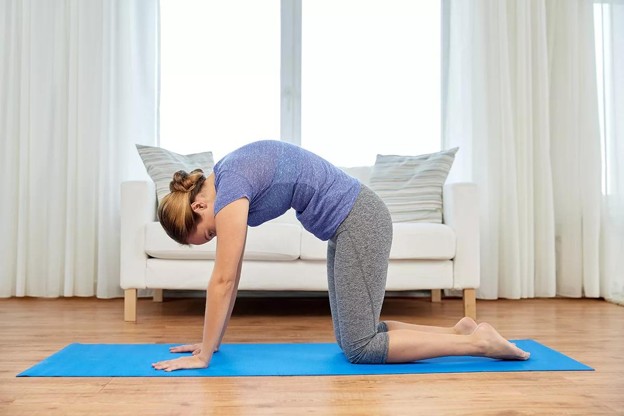
2. “Cat-Cow” Stretch
How to do it:
Start on all fours and slowly alternate between rounding and extending your spine—arching your back upwards and then lowering it down. Move slowly and with control.
Benefits:
- Improves mobility throughout the entire back
- Activates muscle groups that are often underused
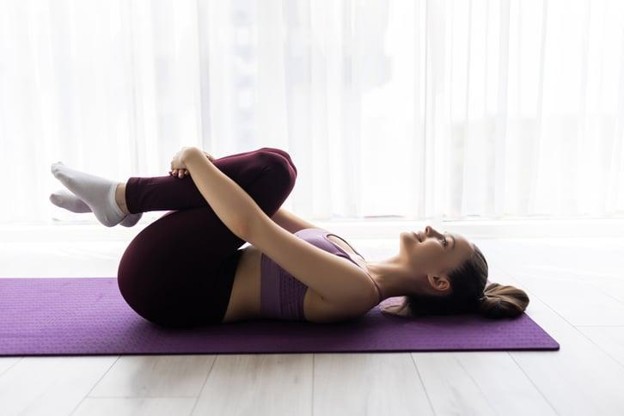
+1 Knees-to-Chest Stretch
How to do it:
Lie on your back, bring your knees towards your chest, and hold them with your hands. Maintain the position for 20–30 seconds.
Benefits:
- Provides immediate relief to the lower back
- Relaxes deeper back muscles
How to Perform Back Stretches Correctly
Doing the movements is not enough—you need to perform them correctly. This means:
- Hold each stretch for 15–30 seconds
- Breathe slowly and deeply throughout the exercise
- Stop if you feel pain. Stretching sensation is normal; pain is not
- Maintain proper posture and alignment during every movement
Common Mistakes to Avoid
Most mistakes are not related to the exercises themselves, but to how they are performed:
- Sudden movements: Stretching should be slow and controlled—never forceful or rushed
- Holding your breath: This can cause your muscles to tense instead of relax
- Applying too much pressure: More intensity does not always mean better results
- Poor alignment: Incorrect spinal positioning can reduce the effectiveness of the stretch
When to Do Back Stretches
The great thing about back stretches is that they can fit easily into your daily routine. You can include them:
- After your workout, as part of your recovery routine
- In the morning, to activate your body before starting your day
- In the evening, as a relaxing routine before sleep
- After long periods of sitting, to release tension and improve mobility
Frequently Asked Questions
How often should I do back stretches?
Ideally, you should stretch daily. If that is not possible, 3–4 times per week is enough to notice improvements. Consistency matters more than intensity—just a few minutes every day is more beneficial than one long session once a week.
Can back stretches help with lower back pain?
Yes, provided they are performed correctly and consistently. Stretching can help reduce muscle tension, improve circulation, and promote spinal mobility—three important factors that can contribute to managing lower back discomfort.
Are back stretches suitable for everyone?
In most cases, yes. However, if you have a history of injury or a chronic spinal condition, consult a healthcare professional before starting any new exercise programme.
Conclusion
Back stretches are not something you do only when you “have extra time.” They are one of the smartest things you can do for your body, especially if your daily routine involves long hours of sitting or intense training.
With just three simple exercises and a few minutes a day, you can significantly reduce tension, support spinal health, and feel the difference quickly. All you need is consistency and proper technique.
Sources
Mayo Clinic (2022) Back pain exercises
https://www.mayoclinic.org/healthy-lifestyle/adult-health/in-depth/back-pain/art-20045302
Cleveland Clinic (2023) Back stretches for pain relief
https://health.clevelandclinic.org
Verywell Fit (2022) Back stretching exercises
https://www.verywellfit.com
Spine-Health (2023) Lower back stretches
https://www.spine-health.com
National Institute of Neurological Disorders (2021) Low back pain
https://www.ninds.nih.gov