What Is the Rowing Exercise?
The rowing exercise is one of the most effective forms of training you can find in a gym. What makes it stand out? It combines cardiovascular conditioning and muscular strength in the same movement—something that few exercises achieve so efficiently.
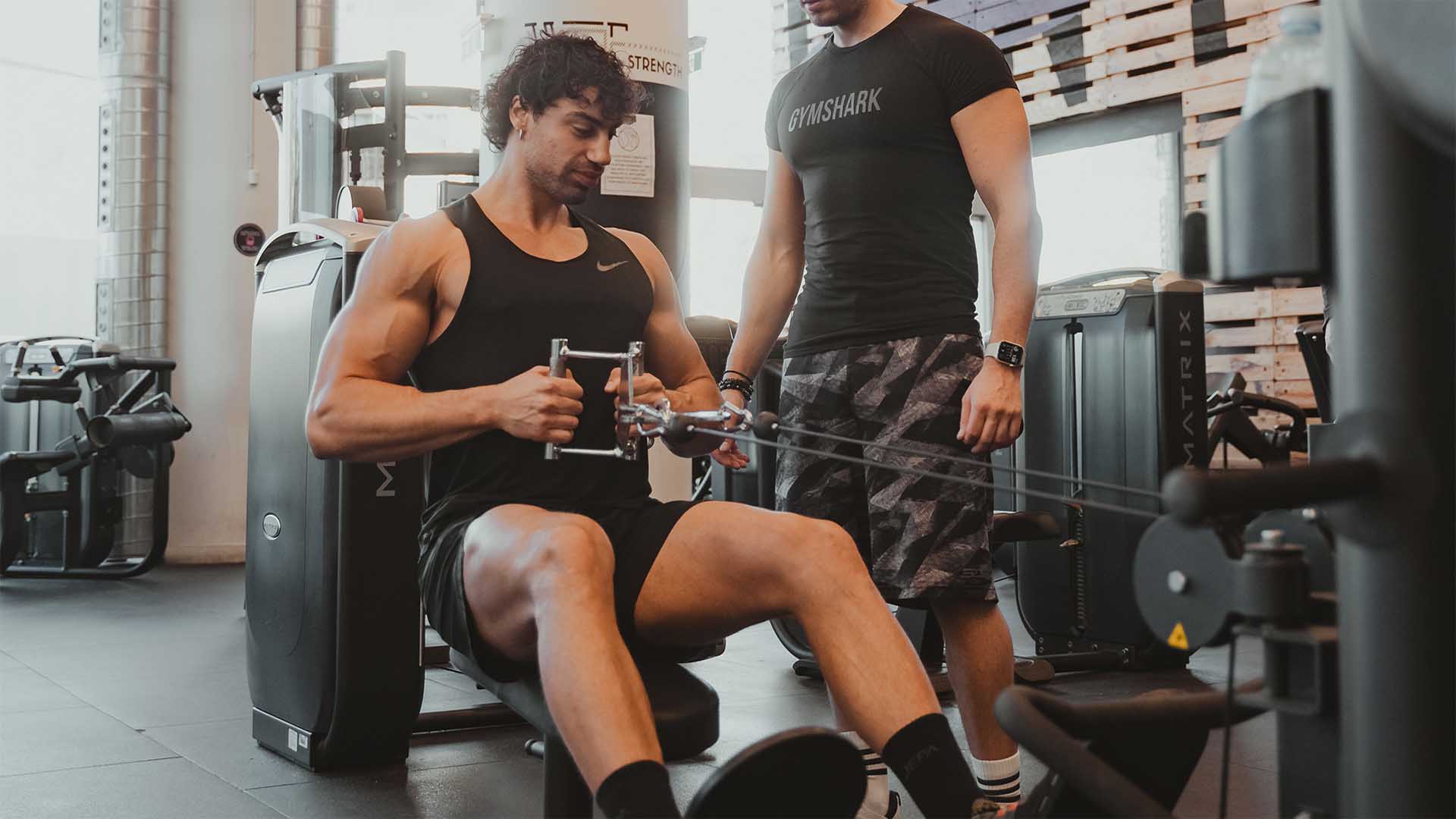
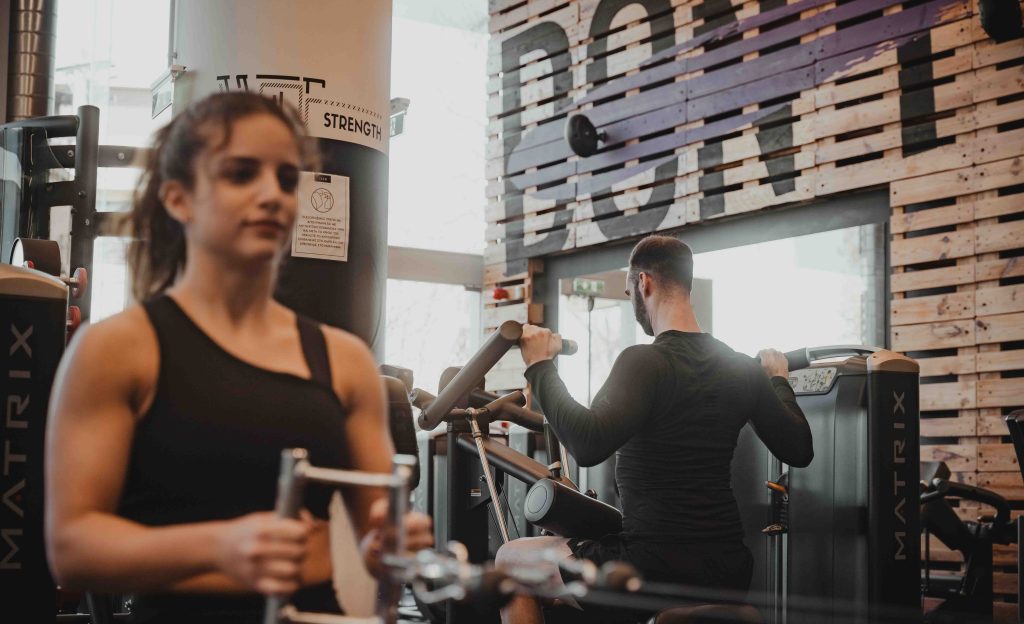
You can perform rowing either on a rowing machine or with free weights, such as barbell rows or dumbbell rows. The main movement pattern is pulling, with a primary focus on the back muscles, core, and legs.
What makes it even more impressive is that rowing can activate approximately 80–85% of the body’s muscles with each repetition, while also being low-impact, meaning it places less stress on the joints compared to many other forms of exercise.
Which Muscles Does Rowing Work?
Rowing is one of the few exercises that trains both the upper and lower body at the same time. More specifically, it activates:
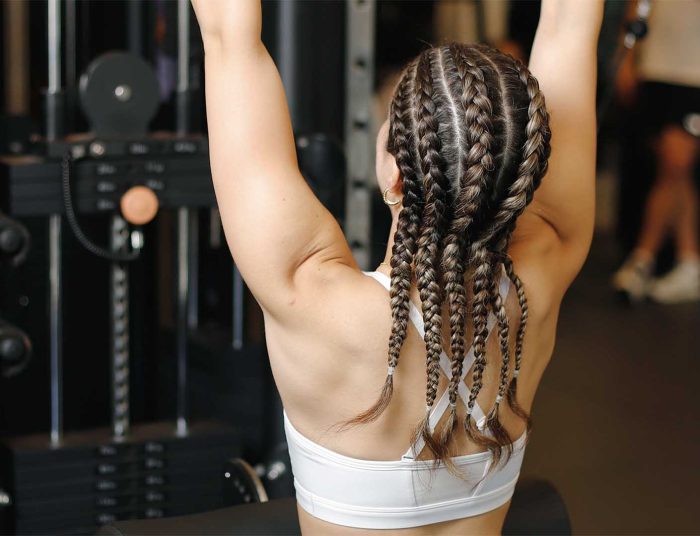
- Back muscles: lats, rhomboids, and trapezius
- Shoulders and biceps
- Core muscles: providing stability throughout every phase of the movement
- Glutes and legs: especially when using a rowing machine
It is a compound exercise that engages multiple muscle groups, making it a highly efficient full-body movement.
Proper Rowing Technique Step-by-Step
Technique matters in rowing, and the order of movement is essential. If the sequence is incorrect, you lose efficiency and increase the risk of injury.
1. Starting Position – Catch
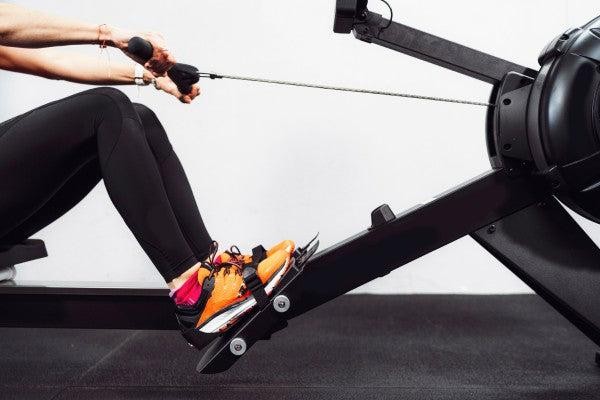
Keep your back straight, your torso slightly forward, your knees bent, and your arms extended towards the handle.
2. Pull Phase – Drive
Push powerfully with your legs first, then engage your core and finally pull the handle towards your body. The correct sequence is: Legs → Core → Arms Never reverse this order.
3. Final Position – Finish
Bring the handle towards your lower abdomen, keep your shoulders pulled back, and maintain an open chest position.
4. Return Phase – Recovery
Return to the starting position in a controlled way using the reverse sequence: Arms → Core → Legs. The recovery phase is not “rest”, it is an essential part of the exercise.
Common Mistakes to Avoid
Most rowing mistakes come from rushing the movement or using the wrong sequence:
- Rounded back: Your spine should remain neutral. A rounded position places unnecessary stress on your back muscles.
- Pulling first with your arms: Power starts from the legs. Starting with your arms reduces your overall efficiency.
- Leaning too far backwards: Your torso should move slightly back—not at a 45-degree angle.
- Poor neck alignment: Your neck should follow the natural position of your spine. Avoid looking too far up or down.
- Uncontrolled recovery: The return phase is equally important—avoid simply collapsing forward.
Benefits of the Rowing Exercise
Rowing offers a combination that is difficult to find in other exercises. Because it trains both the upper and lower body simultaneously, it improves muscular endurance and cardiovascular fitness in a single session.
Additionally, the continuous flow of the movement keeps your heart rate elevated, supporting calorie expenditure and metabolic activity even after your workout. Since rowing is low-impact, it also places significantly less stress on the joints compared to activities such as running.
Finally, by strengthening the back and core muscles, rowing can contribute to improved posture—benefits that extend beyond the gym.
How to Include Rowing in Your Workout Routine
Rowing is a highly versatile exercise that can fit into almost any training programme:
- Warm-up (5–10 minutes): To increase body temperature without tiring your muscles
- Main exercise: As a compound movement in a back-focused strength workout
- HIIT workouts: Alternating high-intensity intervals with recovery periods
- Cardio alternative: For those who want to avoid running due to joint discomfort
Frequently Asked Questions
I’m a beginner. Is rowing suitable for me?
Yes. Rowing is suitable for all fitness levels, as long as you focus on mastering proper technique before increasing intensity or speed.
Start with low resistance and shorter sessions, then gradually build your strength and coordination until the movement becomes natural.
Does rowing burn calories?
Yes, and very effectively. Because it activates a large number of muscle groups at the same time, rowing creates a high energy demand.
A moderate-intensity 30-minute rowing session can burn approximately 250–350 calories, depending on factors such as body weight and exercise intensity.
How often can I do rowing?
For most people, 2–4 times per week is an effective frequency. If rowing is part of your main strength training routine, allow around 48 hours of recovery for your back muscles before repeating high-intensity sessions.
Conclusion
If you are looking for an exercise that combines strength, endurance, and low impact on your joints, rowing is one of the best options available. It works the entire body, improves cardiovascular fitness, and supports better posture—all through one powerful movement.
As always, proper technique comes before intensity. Master the movement sequence, progress gradually, and rowing can become one of the most valuable and consistent parts of your training routine.
Sources
Journal of Sports Sciences (2015) Biomechanics of Rowing: A Review https://www.tandfonline.com/doi/abs/10.1080/02640414.2014.1003587
National Institutes of Health (NIH) (2021) Physiological Responses to Rowing Exercise https://www.ncbi.nlm.nih.gov/pmc/articles/PMC8309668/
Journal of Strength and Conditioning Research (2019) Rowing Ergometer Training Adaptations https://journals.lww.com/nsca-jscr/fulltext/2019/03000
Frontiers in Physiology (2022) Muscle Activation Patterns During Rowing https://www.frontiersin.org/articles/10.3389/fphys.2022.878857
Scandinavian Journal of Medicine & Science in Sports (2018) Strength and Power Characteristics in Elite Rowers https://onlinelibrary.wiley.com/doi/full/10.1111/sms.13082
Journal of Strength and Conditioning Research (2013) Physiological Responses to Rowing Ergometer Exercise https://journals.lww.com/nsca-jscr/Fulltext/2013/09000/Physiological_Responses_to_Rowing_Ergometer.31.aspx
American College of Sports Medicine (ACSM) https://www.acsm.org